
Ayurveda is a traditional Indian system of medicine. It aims to preserve health and wellness by keeping the mind, body, and spirit in balance and preventing disease rather than treating it.
To do so, it employs a holistic approach that combines diet, exercise, and lifestyle changes
Ayurvedic herbs and spices are also an important component of this approach. They’re thought to protect your body from disease and offer a variety of health benefits, including improved digestion and mental health.
Here are 12 Ayurvedic herbs and spices with science-backed health benefits.
1. Ashwagandha
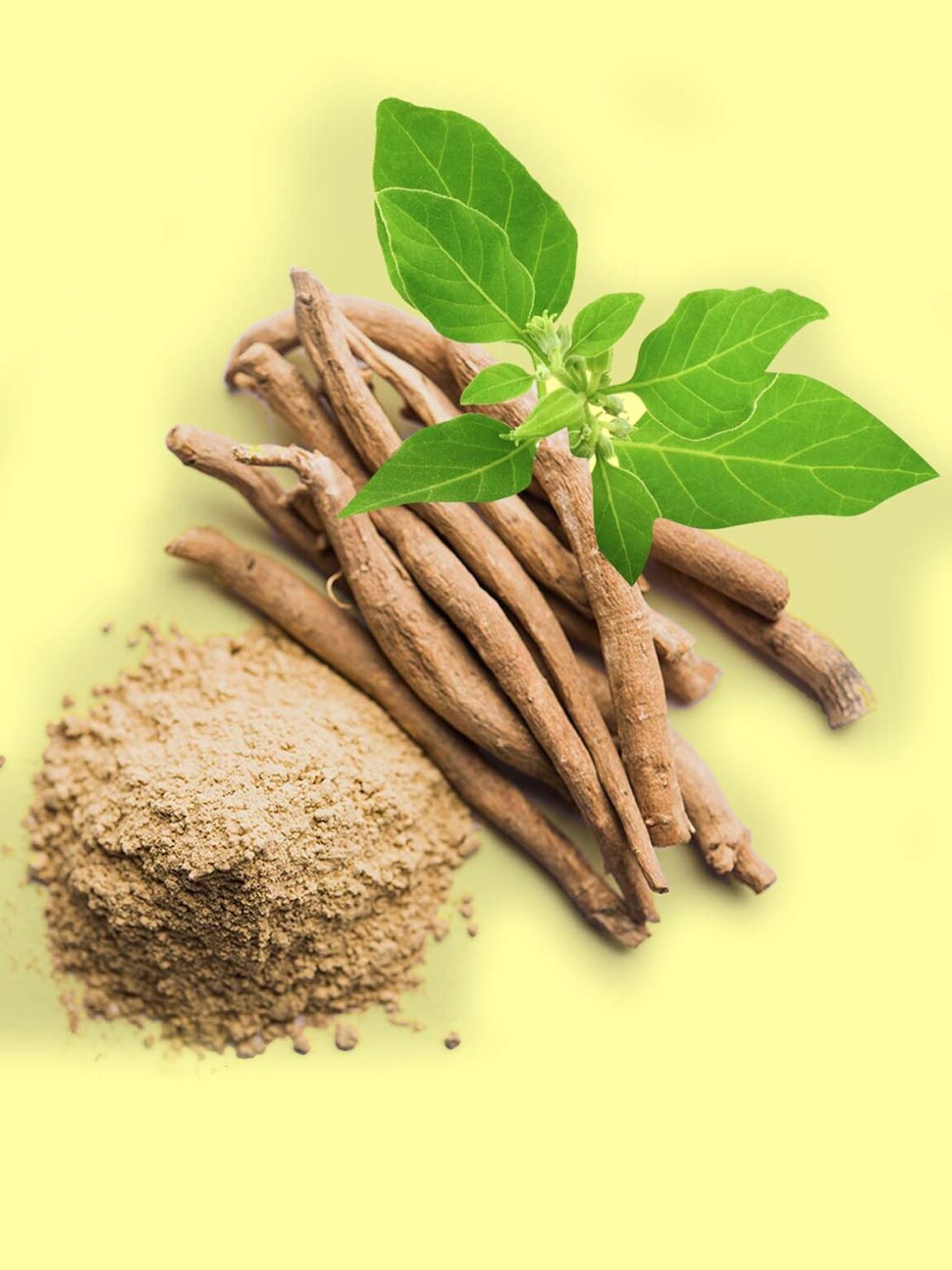
Ashwagandha (Withania somnifera) is a small woody plant native to India and North Africa. Its root and berries are used to produce a very popular Ayurvedic remedy
It’s considered an adaptogen, which means that it’s believed to help your body manage stress more effectively. Research has shown that it reduces levels of cortisol, a hormone that your adrenal glands produce in response to stress
There’s also evidence linking ashwagandha to lower levels of anxiety and improved sleep in people with stress and anxiety disorders
Moreover, research shows that ashwagandha may enhance muscle growth, memory, and male fertility, as well as lower blood sugar levels. However, larger studies are needed to confirm these benefits,
Finally, there’s evidence that it may help reduce inflammation and boost your immune system, though more studies are needed
2. Boswellia
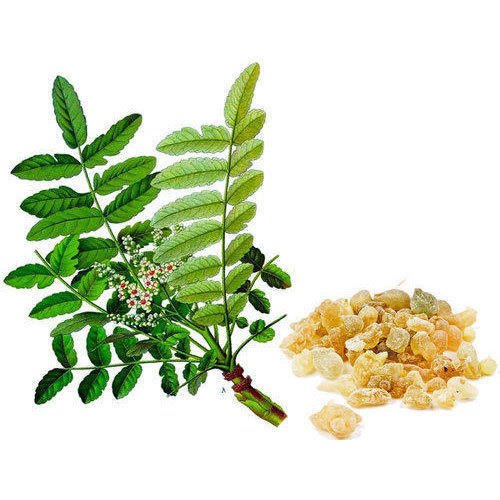
Boswellia, also known as Indian frankincense or olibanum, is made from the resin of the Boswellia serrata tree. It’s known for its easily recognizable spicy, woody aroma.
Research suggests that it may be particularly effective at reducing inflammation by preventing the release of inflammation-causing compounds known as leukotrienes
Human studies link boswellia to reduced pain, improved mobility, and a greater range of movement in people with osteoarthritis and rheumatoid arthritis. It may also help prevent oral infections and fight gingivitis
Moreover, it may improve digestion in people with ulcerative colitis and Crohn’s disease, as well as breathing in people with chronic asthma, but more controlled human studies are needed
3. Brahmi
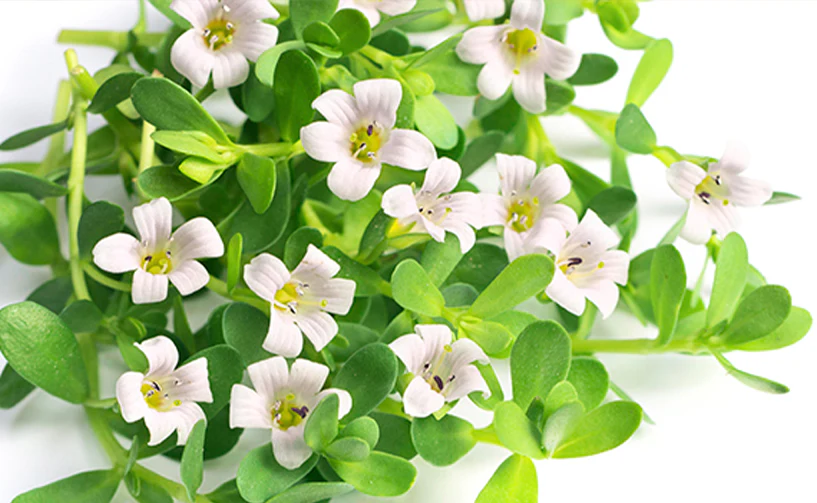
Brahmi (Bacopa monieri) is a staple herb in Ayurvedic medicine.
According to test-tube and animal studies, brahmi appears to have strong anti-inflammatory properties. More human studies are needed to confirm these potential anti-inflammatory benefits are as effective as common NSAIDs
Studies also link it to improvements in learning rates, attention, memory, and information processing, as well as reduced symptoms of attention deficit hyperactivity disorder (ADHD), such as inattention, impulsivity, poor self-control, and restlessness
However, other human studies have shown mixed results on these benefits. Further research is needed
Some rodent/animal studies further suggest that brahmi may have adaptogenic properties, which means that it may help improve your body’s ability to deal with stress and anxiety. However, well-designed human studies are needed before strong conclusions can be made
4. Cumin
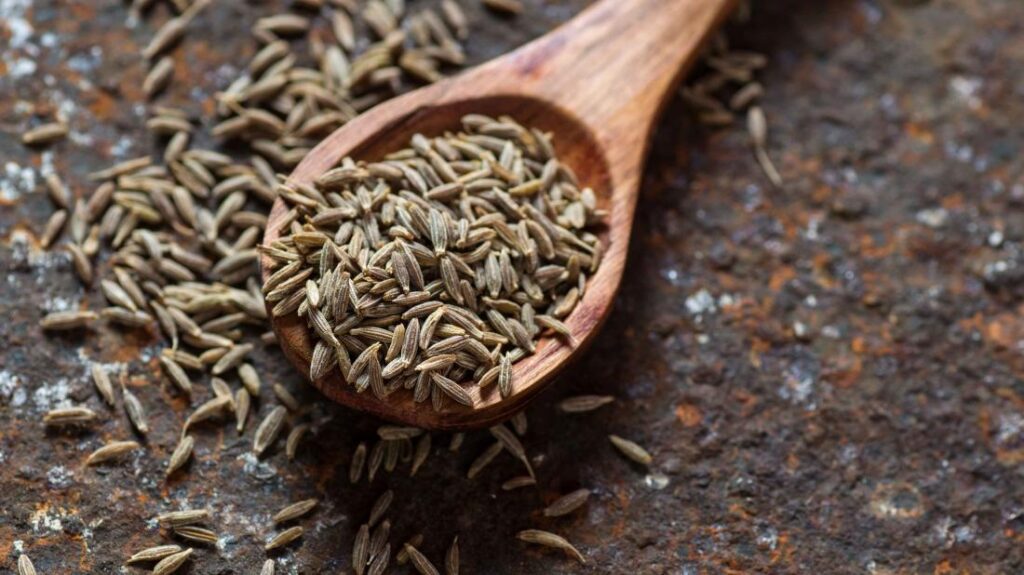
Cumin is a spice native to the Mediterranean and Southwest Asia. It’s made from the seeds of the Cuminum cyminum plant, which are known for their distinctive earthy, nutty, and spicy flavor.
Some animal studies show cumin to be beneficial in controlling blood lipids and protecting the liver from a high fat diet
Plus, cumin may protect against type 2 diabetes by lowering blood sugar levels and improving insulin sensitivity. It may also protect against heart disease by increasing HDL (good) cholesterol while reducing triglycerides and LDL (bad) cholesterol
Some studies show bioactive compounds in cumin may have anti-inflammatory action, but these studies did not confirm any effects on diabetes, insulin sensitivity or heart disease
Cumin likewise appears to possess antimicrobial properties that may reduce the risk of certain foodborne infections. Still, more studies are needed to confirm this
5. Turmeric
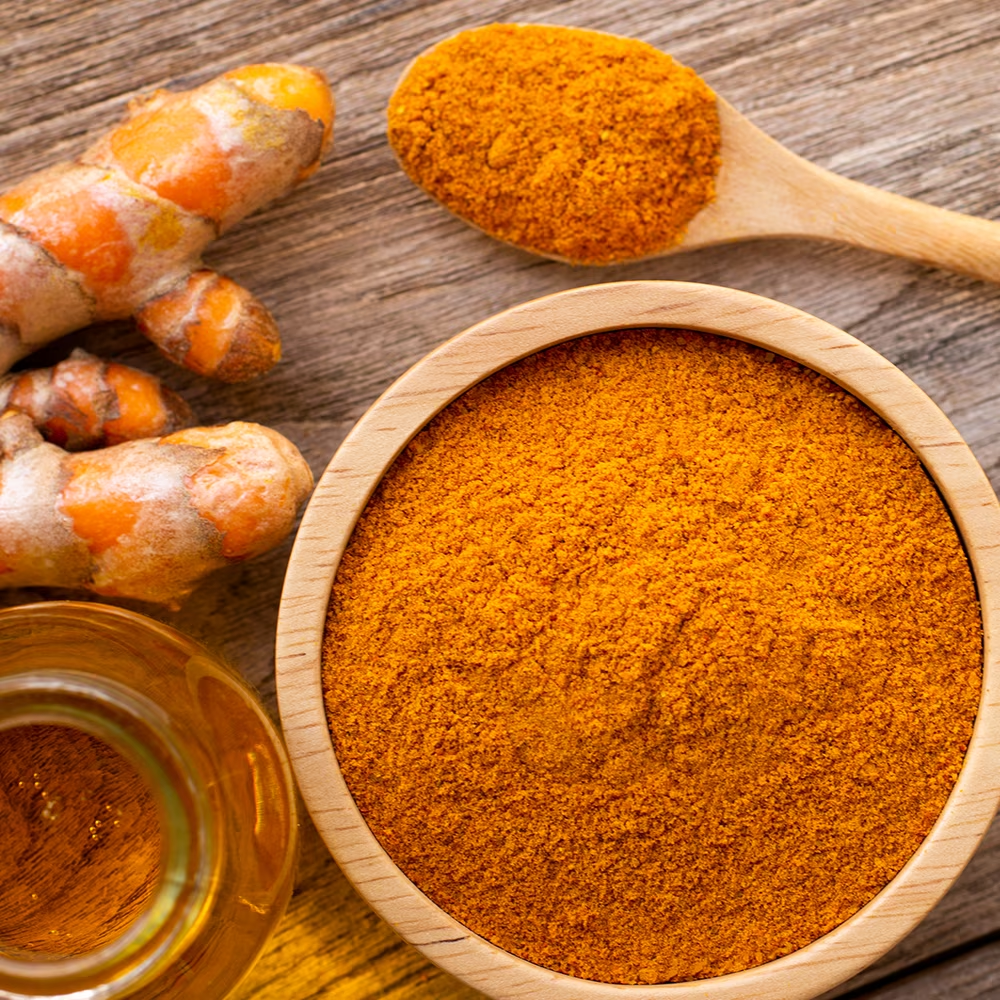
Turmeric, the spice that gives curry its characteristic yellow color, is another popular Ayurvedic remedy.
Curcumin, its main active compound, has powerful antioxidant and anti-inflammatory properties. Test-tube research shows that it may be equally or even more effective than some anti-inflammatory drugs — without all of their side effects
Also, turmeric may help protect against heart disease, in part by improving blood flow as effectively as exercise or certain pharmaceutical drugs
Human studies suggest tumeric may improve symptoms of depression and anxiety .
Moreover, compounds in turmeric may help preserve brain function by increasing brain levels of brain-derived neurotrophic factor (BDNF). Low levels of BDNF have been linked to disorders like Alzheimer’s and depression
That said, most studies have used very large amounts of curcumin, whereas turmeric comprises only around 3% of this compound. Thus, amounts larger than those found in turmeric are likely needed to attain these health benefits, and such large doses may cause stomach upset
6. Licorice root
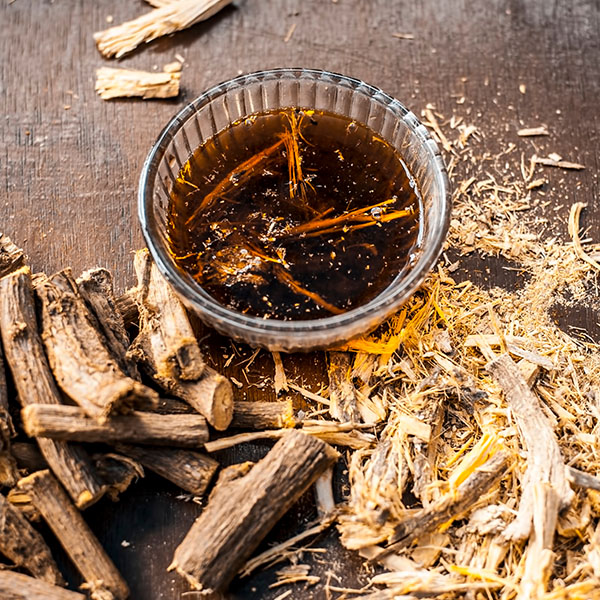
Licorice root, which is native to Europe and Asia, comes from the Glycyrrhiza glabra plant and holds a central place in Ayurvedic medicine.
Test-tube and human studies suggest that licorice root may help reduce inflammation and fight viruses and bacteria. It also appears to offer relief from a sore throat and promote oral health by protecting against dental cavities and Candida
This Ayurvedic spice may likewise help prevent or manage heartburn, bloating, nausea, belching, and stomach ulcers. When applied to the skin, it may reduce symptoms of skin rash, including redness, itching, and swelling
However, the only studies on this root are generally small, and more research is needed to confirm these benefits.
7. Gotu kola

Gotu kola (Centella asiatica), or “the herb of longevity,” is another popular Ayurvedic remedy. It’s made from a tasteless, odorless plant with fan-shaped green leaves that grows in and around water.
One small study suggests that gotu kola supplements may improve people’s memory after they have had a stroke
Moreover, in one study, people with generalized anxiety disorder reported less stress, anxiety, and depression after replacing their antidepressants with gotu kola for 60 days
There is also some evidence that the herb may help prevent stretch marks, reduce varicose veins, help wounds heal faster, and diminish symptoms of eczema and psoriasis. However, more research is needed
Animal studies further suggest that this Ayurvedic herb may relieve joint pain, but more studies are needed to confirm this effect
Precautions
Ayurvedic herbs and spices are generally considered safe when consumed in amounts typically used to prepare or flavor foods. Yet, most of the studies supporting their benefits typically used supplements offering doses far exceeding that.
Supplementing with such large doses may not be suitable for children, women who are pregnant or breastfeeding, people with known medical conditions, or those taking prescripton medications.
Therefore, it’s necessary to consult your healthcare provider before adding any Ayurvedic supplements to your regimen.
It’s also worth noting that the content and quality of Ayurvedic products are not regulated. Some Ayurvedic preparations may mix Ayurvedic herbs and spices with minerals, metals, or gems, rendering them potentially harmful
For instance, a recent study found that 65% of Ayurvedic products studied contained lead, while 32–38% also included mercury and arsenic, some of which had concentrations that were up to several thousand times higher than the safe daily limit
Another study found lead in 65% of samples of Ayurvedic preparations, mercury in 38%, and arsenic in 32. In addition, 36% of the samples that contained lead and 39% containing arsenic had these elements in levels exceeding safe intake levels up to several thousand times
Therefore, those interested in Ayurvedic preparations should only purchase them from reputable companies that ideally have their products tested by a third party.
Conclusion
Ayurvedic herbs and spices have been an integral part of traditional Indian medicine for centuries
An increasing amount of scientific evidence supports their many proposed health benefits, including protection against type 2 diabetes and heart disease.
Thus, adding small amounts of these herbs and spices may help both flavor your meals and boost your health.
That said, large doses may not be suitable for everyone, so make sure to seek advice from your healthcare provider before adding Ayurvedic supplements to your healthcare regimen.
And remember, Ayurveda employs a holistic approach to health that also includes physical activity, adequate sleep, stress management, and eating a variety of fruits and vegetables daily.